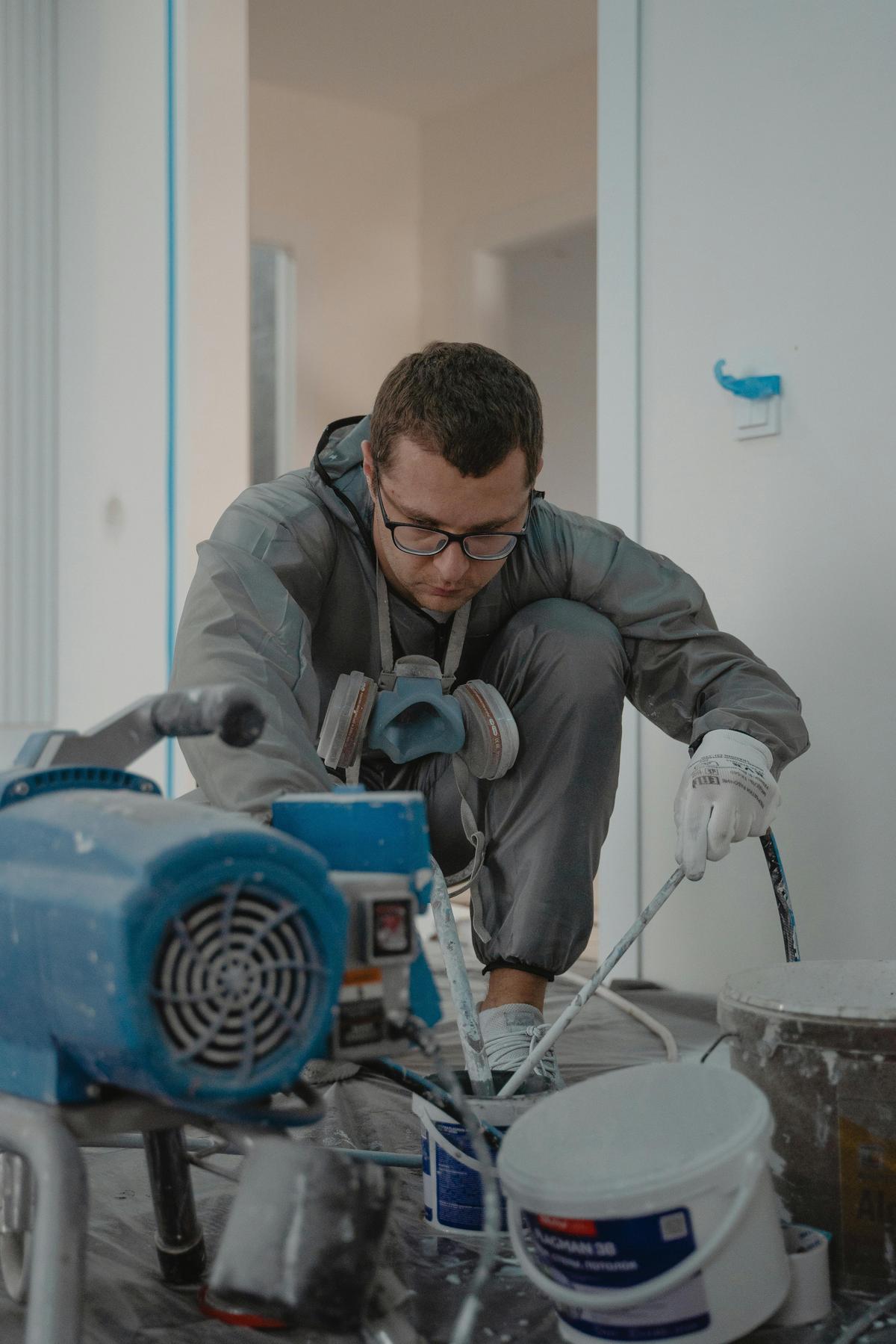
South Florida's combination of intense UV, high humidity, salt air, and hurricane season creates one of the most demanding exterior painting environments in the United States. After 27 years painting homes and businesses across Broward, Palm Beach, and Miami-Dade counties, Mr. Barry has seen every way Florida's climate destroys a paint job. Here are the four South Florida factors that shorten paint life — and exactly how we counteract each one.
Factor 1: Year-Round UV Intensity
Florida receives more solar radiation than almost any other state. UV doesn't just fade colors — it degrades the paint's binder (the resin that holds the pigment to the surface), causing chalking, cracking, and film failure well ahead of schedule. A paint job that might last 10–12 years in the Northeast may fail in 5–7 years in South Florida without the right products.
Our response: We use premium exterior paints (Sherwin-Williams Emerald Exterior, Duration; Benjamin Moore Aura Exterior) formulated with UV absorbers and HALS (hindered amine light stabilizers). These products deliver measurably longer color retention and film integrity in high-UV conditions like South Florida.
Factor 2: Humidity and Mold Pressure
South Florida's humidity averages 75–85% year-round. High moisture in the air accelerates mold and mildew growth on painted surfaces — especially on north-facing walls and shaded areas that stay damp. Paint that looks fine from the street can have active mold colonies behind it, eating at the film and substrate.
Our response: Before painting, we treat all mold and mildew with a proper biocide wash — not just pressure washing, which spreads spores without killing them. We use mold-resistant primers and topcoats rated for high-humidity environments, and ensure all surfaces are fully dry before application.
Factor 3: Salt Air Corrosion
Coastal South Florida homes within a mile or two of the ocean or bay face salt air — fine airborne salt particles that accelerate corrosion of metal substrates and degrade paint adhesion on all surfaces. Homes in Lauderdale-by-the-Sea, Deerfield Beach, Pompano, and Boca Raton face this year-round, not just in storms.
Our response: For coastal properties, we select paints with enhanced salt-air resistance ratings and apply corrosion-inhibiting primers on all metal surfaces before paint. We also pay close attention to flashings, window frames, and door frames where salt accelerates failure fastest.
Factor 4: Hurricane Season and Wind-Driven Rain
South Florida's hurricane season runs June through November. Wind-driven rain doesn't just wet a wall — it forces water into every micro-crack, caulk failure, and paint void at pressure far exceeding normal rain. A paint job with minor surface cracks can become a water intrusion problem after a single major storm.
Our response: Thorough caulk inspection and replacement is part of every exterior job we do. We use elastomeric caulk at all joints that must flex, and we apply elastomeric topcoats on stucco exteriors when the substrate shows movement cracking. A properly sealed surface keeps water out even under storm conditions.
Free estimates include a surface condition assessment where we document exactly what's failing and what preparation is needed — not a vague ballpark, but a specific proposal with scope included. Call or text (954) 650-0488 anytime.